Pakistan faces a severe electricity crisis with rising tariffs and frequent load-shedding across major cities including Karachi, Lahore, Islamabad, and Rawalpindi. Homeowners and businesses are searching for sustainable, cost-effective energy solutions. The hybrid solar system has emerged as the perfect answer to Pakistan’s energy challenges, combining the best of on-grid and off-grid technologies into a single intelligent system.
A Hybrid Solar System Pakistan 2026 is fundamentally a combination of grid-connected and battery-backed solar technology. This means your home receives power simultaneously from solar panels, battery storage, and the utility grid—intelligently managing which source provides electricity based on availability and cost. Unlike traditional on-grid systems that fail during power outages, hybrid systems ensure uninterrupted power supply even when load-shedding occurs, while still allowing you to benefit from net metering with WAPDA.
What is a Hybrid Solar System? Complete Definition
The Core Components of Hybrid Solar Systems
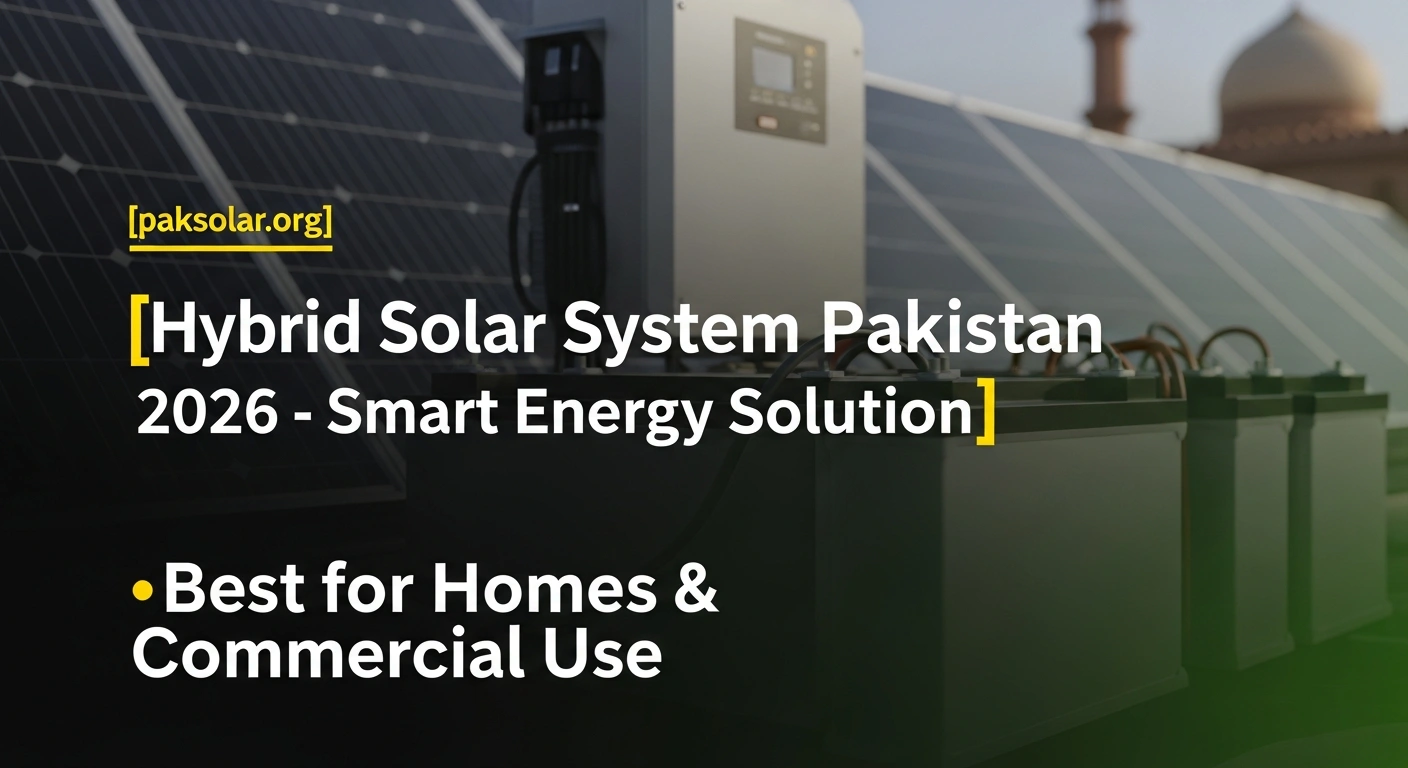
A Hybrid Solar System Pakistan 2026 consists of several essential components working together in perfect synchronization. Solar panels convert sunlight into direct current electricity. The hybrid solar inverter is the system’s brain, managing power distribution from three sources: solar panels, batteries, and the utility grid. Advanced inverters like Growatt and Inverex models use MPPT (Maximum Power Point Tracking) technology to maximize energy capture.
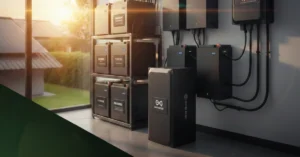
Battery storage forms the critical difference between hybrid and on-grid systems. High-quality tubular batteries store excess solar energy during the day for use at night or during load-shedding periods. The grid connection acts as a backup, ensuring you never run out of power, while simultaneously allowing you to feed excess electricity back to WAPDA through net metering.
How Hybrid Solar System Works in Pakistan
The Complete Energy Management Process
During peak sunlight hours, your solar panels generate more electricity than your home requires. The hybrid inverter prioritizes using this free solar energy first, powering your appliances directly. Any excess power charges your battery bank simultaneously. When the sun sets or cloud cover reduces production, the system automatically switches to battery power, keeping your lights and appliances running without interruption.
When your battery reaches a predetermined low level and the sun isn’t producing adequate power, the hybrid inverter seamlessly connects to the WAPDA grid, maintaining continuous electricity. This three-tier power hierarchy—solar, then battery, then grid—ensures you’re always receiving power from the cheapest available source. If you generate surplus power that exceeds both home consumption and battery charging capacity, the inverter sends this excess back to the grid, and WAPDA credits your account through net metering.
Why Hybrid Systems Solve Pakistan’s Electricity Problems
Load-shedding has become a national crisis in Pakistan, with some areas experiencing 8-10 hours of daily outages. On-grid systems become completely useless during these periods, leaving families in darkness. Hybrid systems eliminate this problem entirely through battery backup, providing lights, fans, refrigeration, and other essentials throughout outages. This reliability makes hybrid systems the preferred choice for Pakistani households today.
Hybrid Solar System Price in Pakistan 2025
Current Pricing Breakdown by System Size
The cost of hybrid solar systems in Pakistan varies significantly based on capacity, inverter quality, battery brand, and installation complexity. Here’s a detailed pricing breakdown:
| System Size | Price Range | Battery Count | Best For |
|---|---|---|---|
| 3kW System | ₨600,000 – ₨800,000 | 2-3 batteries | Small homes, basic usage |
| 5kW System | ₨900,000 – ₨1,300,000 | 3-4 batteries | Average family homes |
| 10kW System | ₨1,700,000 – ₨2,200,000 | 6-8 batteries | Large homes, offices |
| 15kW+ System | ₨2,500,000+ | 10+ batteries | Commercial, industrial |
What Affects Hybrid Solar System Pricing
Battery quality represents the largest cost factor in hybrid systems, with four high-quality tubular batteries costing approximately ₨100,000 to ₨150,000. These deep-cycle batteries are specifically engineered for solar systems, withstanding high current loads and providing 5-8 years of reliable performance.
Hybrid inverter quality significantly impacts pricing and longevity. Premium tier-1 inverters from brands like Growatt, Inverex, Fronius, and Huawei cost more initially but offer superior efficiency, better MPPT tracking, longer warranties, and lower failure rates. Budget options from emerging brands are cheaper but may lack advanced features and reliable after-sales support.
Solar panel capacity and quality also affect total system cost. Higher wattage panels and premium brands ensure better long-term performance and efficiency. Installation complexity, electrical work, and structural modifications to your home or rooftop influence final pricing.
Key Benefits of Hybrid Solar Systems for Pakistani Homes
H2: Uninterrupted Power Supply During Load-Shedding
The primary benefit is eliminating dependency on unpredictable grid electricity. During load-shedding, your battery immediately activates, providing seamless power transitions. Families experience no disruption to lighting, refrigeration, water pumps, or entertainment systems. For those working from home or running small businesses, continuous power is invaluable.
Significant Electricity Bill Reduction
Hybrid systems reduce or eliminate monthly electricity bills through two mechanisms. First, solar generation covers your daytime consumption, dramatically reducing grid usage. Second, net metering with WAPDA allows you to sell surplus solar energy back to the grid, earning credits that reduce bills further. A 5kW system can generate approximately 600 units monthly, potentially saving ₨15,000-25,000 per month depending on seasonal variation.
Peak Hour Tariff Avoidance
Pakistan’s electricity tariffs include premium pricing during peak hours, typically 7-11 PM. Hybrid systems with battery backup allow you to use stored solar energy during expensive peak hours instead of purchasing grid electricity at double rates. This scheduling optimization alone saves thousands monthly.
H2: Energy Independence and Grid Flexibility
Hybrid systems provide genuine energy independence while maintaining grid connection as safety backup. You’re no longer vulnerable to tariff increases, grid failures, or supply disruptions. Yet unlike completely off-grid systems, you never face power shortages if your battery depletes.
Hybrid vs. On-Grid vs. Off-Grid Solar Systems
H2: Comprehensive System Comparison
On-Grid Solar Systems connect directly to WAPDA with no battery storage. During daylight, they power your home and send excess energy to the grid. At night, they depend entirely on grid electricity. If power cuts occur, the system stops working completely. They’re cheapest initially (₨400,000-600,000 for 5kW) but offer no load-shedding protection.
Off-Grid Solar Systems operate independently from WAPDA, relying entirely on stored battery power. They work perfectly in remote areas without grid access but cost substantially more (₨1,500,000+ for 5kW) due to larger battery requirements. They require careful monitoring to prevent battery depletion and demand more maintenance.
Hybrid Solar Systems combine both advantages—grid connection for cost-effective energy plus battery backup for reliability. You enjoy net metering benefits while having guaranteed power during outages. Initial cost is moderate-to-high (₨900,000-1,300,000 for 5kW), but they’re ideal for most Pakistani homes balancing budget with reliability.
Top Hybrid Solar Inverter Brands in Pakistan 2025
H2: Trusted Brands with Proven Performance
Growatt offers high-quality, efficient systems with advanced MPPT technology at reasonable prices. Their hybrid inverters range from 3kW to 20kW, with reliability proven across thousands of Pakistani installations. They provide 10-year warranties and responsive customer support.
Inverex specializes in hybrid solutions perfectly suited for Pakistan’s load-shedding challenges. Their inverters handle voltage fluctuations gracefully and cost significantly less than imported brands while maintaining reliable performance.
Fronius brings Austrian engineering excellence, known for sturdy construction, energy efficiency, and longevity. Popular among quality-conscious buyers willing to invest more upfront for extended lifespan.
Homage combines UPS and solar capabilities in multifunctional inverters. Trusted as a household name in Pakistan, they offer reliable solutions for families seeking integrated power backup.
Sungrow excels in commercial and industrial applications with advanced hybrid inverters handling high loads. Their scalable solutions suit businesses planning future expansion.
System Size Selection Guide for Pakistani Homes
H2: Determining Your Ideal System Capacity
Average Pakistani families living in 5-Marla homes consume 150-200 units monthly during summer and 100-150 units during winter. These households require 5kW hybrid systems, generating approximately 600 units monthly on average. A 5kW system with 3-4 high-quality batteries provides reliable load-shedding protection and maximizes bill savings.
Larger 10-Marla homes and villas with air conditioning, multiple water pumps, and heavy appliance usage need 10kW systems. These generate 1,200 units monthly and require 6-8 batteries for adequate backup. Canal homes and farmhouses may need 15kW+ systems designed for specific consumption patterns.
H2: Battery Selection and Capacity
The golden rule is matching battery capacity to your nighttime power requirements. If you consume 5 units nightly, 3-4 tubular batteries provide reliable coverage with safety margin. Undersized batteries deplete during extended outages; oversized batteries waste investment. Professional energy audits help calculate optimal capacity.
Installation and Maintenance Requirements
H2: Professional Installation is Essential
Hybrid solar installation involves complex electrical work including rooftop mounting, DC wiring, inverter placement, battery bank setup, grid connection, and net metering authorization. Installation costs ₨50,000-100,000 but must be handled by certified technicians ensuring safety, efficiency, and regulatory compliance.
H2: Ongoing Maintenance Needs
Hybrid systems require minimal maintenance compared to off-grid alternatives. Monthly solar panel cleaning with soft brushes removes dust that reduces efficiency by 15-20%. Annual inverter servicing ensures optimal performance. Battery terminals need periodic checking for corrosion. Most systems operate reliably for 25+ years with minimal intervention.
Financial Returns and Payback Period
H2: Long-Term Investment Analysis
A typical 5kW hybrid system costs ₨1,100,000 installed but generates ₨15,000-20,000 monthly savings through reduced grid consumption and net metering credits. Annual savings total ₨180,000-240,000, providing 4.5-6 year payback periods. After recovering initial investment, families enjoy 19+ additional years of near-free electricity, accumulating ₨3-4 million in lifetime savings.
Government Solar Financing Scheme through SBP allows purchasing hybrid systems on easy monthly installments, spreading costs over 5-10 years and improving accessibility for average middle-class families.
FAQ
Conclusion
Pakistan’s persistent electricity crisis, rising tariffs, and frequent load-shedding create perfect conditions for hybrid solar adoption. These systems solve multiple problems simultaneously—eliminating outage concerns, reducing bills substantially, and providing genuine energy independence while maintaining grid backup security.
A hybrid solar system represents not just an appliance investment but a transformative solution delivering peace of mind, financial savings, and environmental responsibility. Whether you’re in Karachi facing intense summer heat and power cuts, Lahore managing industrial zone energy costs, Islamabad protecting office operations, or any Pakistani city dealing with unreliable electricity, hybrid systems offer proven, scalable solutions.