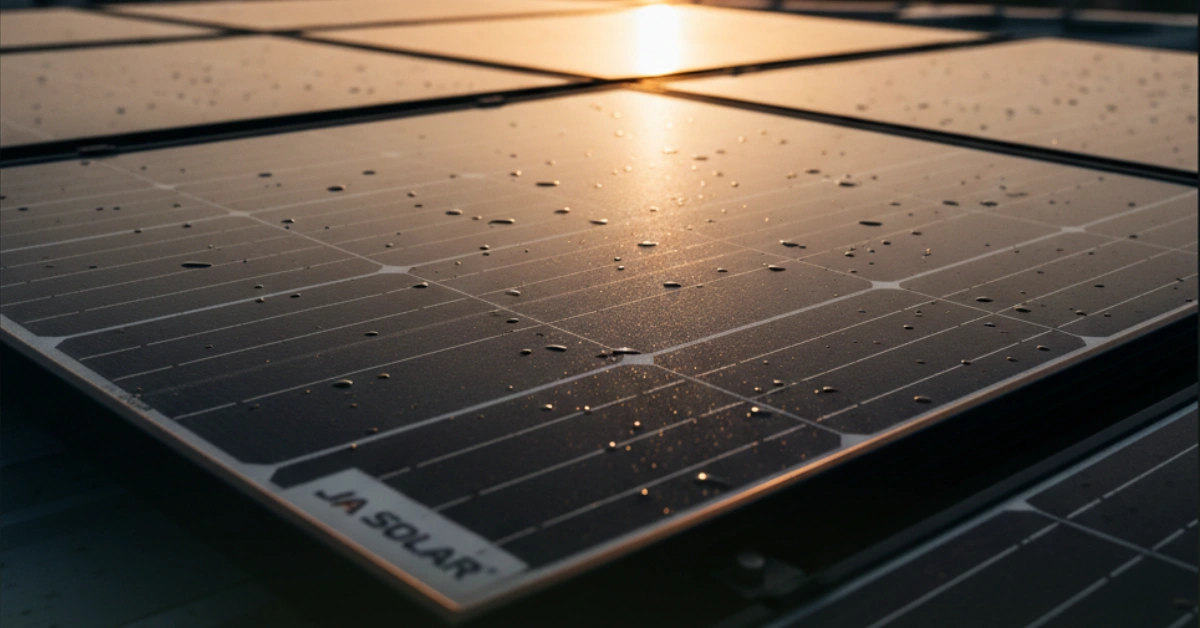
The energy landscape in Pakistan is undergoing a monumental transformation. As electricity prices continue to soar and the national grid faces unprecedented pressure, residential and commercial consumers are turning toward sustainable solutions with a renewed sense of urgency. In 2026, the gold standard for solar investment has shifted decisively from traditional P-type modules to the high-efficiency JA Solar N-Type panels. Whether you are a homeowner in Lahore, an industrialist in Karachi, or a farmer in Punjab, understanding the technical superiority and cost-efficiency of JA Solar’s N-Type technology is essential for maximizing your return on investment (ROI).
In this comprehensive guide, we will explore the latest JA Solar N-Type panels 2026 prices in Pakistan, dive into the groundbreaking DeepBlue 5.0 technology, and explain why these specific modules are uniquely suited to the Pakistani climate. By the end of this article, you will have all the information needed to make an informed decision for your solar journey.
What is JA Solar N-Type Technology?
To understand why JA Solar N-Type Panels 2026 are dominating the market in 2026, we must first look at the science behind the silicon. For years, the industry relied on P-type (Perc) technology, which, while effective, reached its theoretical efficiency limit.
Understanding TOPCon and Bycium+ 5.0
At the heart of the latest JA Solar modules is N-Type TOPCon (Tunnel Oxide Passivated Contact) technology. Unlike P-type cells, which use boron-doped silicon, N-Type cells use phosphorus. This fundamental shift eliminates Light Induced Degradation (LID)—a common problem where panels lose a significant chunk of their efficiency in the first few weeks of sunlight exposure.
JA Solar has taken this a step further with their Bycium+ 5.0 cell technology. This proprietary advancement allows for:
- Higher Open-Circuit Voltage: Reaching up to 749 mV, allowing more energy to be harvested even under stress.
- Improved Minority Carrier Lifetime: This means electrons can move more freely within the cell, reducing internal resistance and heat.
- Lower Oxygen Content: By reducing oxygen in the silicon wafer to ultra-low levels (3 ppma), JA Solar ensures the structural integrity of the cell over a 30-year period.
Canadian Solar vs LONGi Comparison 2026: Which is the Best Solar Panel for Pakistan?
Key Features of the DeepBlue 5.0 Series
The DeepBlue 5.0 series is JA Solar’s flagship offering for 2026. Designed for mass-scale efficiency and reliability, it represents the pinnacle of current solar engineering.
1. Unmatched Module Efficiency
The DeepBlue 5.0 series achieves a staggering module efficiency of up to 24.8%. In practical terms, this means you can generate more electricity using less roof space. For urban residents in Pakistan where roof area is often limited, this high energy density allows for a 10kW or 15kW system where previously only a 7kW system would fit.
2. High Bifaciality for Maximum Yield
One of the standout features of the JA Solar N-Type panels is their bifaciality rate, which sits at 85% ±5%. Bifacial panels capture light from both the front and the rear surfaces. When installed on highly reflective surfaces—such as the white-painted roofs common in Pakistan or specialized mounting structures—the rear side can boost total energy production by an additional 10% to 25%.
3. Industry-Leading Temperature Coefficient
Pakistan’s sweltering summers, especially in regions like Sindh and Southern Punjab, can be brutal for solar panels. Most panels lose power as they heat up. However, the DeepBlue 5.0 features a temperature coefficient of -0.26%/°C. This is remarkably low compared to the industry average of -0.35%/°C or higher for older P-type panels.
Expert Tip: On a 45°C summer day in Multan, a JA Solar N-Type panel will perform approximately 4-5% better than a standard P-type panel, purely due to its superior heat management.
4. Wattage and Scalability
For 2026, JA Solar has standardized its N-Type lineup to cater to all project sizes:
- Residential: 585W to 610W modules are the preferred choice for homes.
- Commercial/Industrial: 630W to 670W modules offer the best balance of size and power.
- Utility Scale: The massive 710W N-Type Bifacial panels are reserved for large-scale solar farms.
Why JA Solar N-Type is Perfect for the Pakistan Market
The Pakistani market has unique challenges: extreme heat, high dust levels, and a complex net metering policy. JA Solar has engineered these panels to address these specific pain points.
Resiliency Against High Temperatures
As mentioned, the low temperature coefficient is a game-changer. But it’s not just about the power drop; it’s about longevity. Excessive heat accelerates the degradation of solar cells. By operating cooler, JA Solar N-Type panels ensure that they don’t just work better today, but they also last longer over the next 30 years.
Performance in Low-Light and Monsoons
During the monsoon season or on smoggy winter mornings in Lahore, irradiance levels drop significantly. N-Type technology is inherently better at capturing “blue” light and low-intensity light. This ensures that your battery system stays charged and your net metering exports continue even when the “sun isn’t shining” at full strength.
Salt Mist and Ammonia Resistance
For coastal cities like Karachi, salt-air corrosion is a major concern. JA Solar N-Type panels come with advanced encapsulation and PID (Potential Induced Degradation) resistance, making them certified for use in harsh maritime environments.
What is Jinko Panel Efficiency Rating 2026? A Complete Technical & Buyer’s Guide for Pakistan
JA Solar N-Type Panels Price in Pakistan 2026
Pricing is always a top priority for Pakistani consumers. In 2026, the market has stabilized after the volatility of previous years. Currently, JA Solar panels are priced competitively, offering perhaps the best “price-to-performance” ratio in the Tier-1 category.
Detailed Pricing Breakdown
As of February 2026, the average price per watt for JA Solar N-Type panels ranges between 27 PKR to 28 PKR.
| Model Category | Wattage Range | Estimated Price (PKR) | Key Advantage |
|---|---|---|---|
| Residential Standard | 585W – 595W | 16,500 – 17,800 | Best for limited roof space |
| High Power Bifacial | 600W – 620W | 18,000 – 20,500 | Max yield with reflective roofs |
| Industrial / Commercial | 650W – 670W | 21,000 – 23,000 | Lower LCOE for large projects |
| Mega Scale Utility | 710W+ | 23,500+ | Maximum power density |
Note: Prices are subject to change based on USD/PKR fluctuations and local stock availability. Always check with authorized distributors for the daily rate.
Factors Affecting Price in 2026
- Import Duties & Taxes: Changes in government policy regarding “Finished Goods” vs “Localized Components” can shift prices overnight.
- Exchange Rates: Since solar panels are imported, the PKR/USD rate remains the primary driver of cost.
- Net Metering Demand: As more users apply for net metering, the demand for high-efficiency panels like N-Type increases, sometimes leading to temporary supply shortages.
Installation & Maintenance Guide for 2026
Investing in top-tier hardware like JA Solar is only half the battle; the installation quality determines your actual savings.
Choosing the Right Inverter
N-Type panels have specific electrical characteristics, including slightly higher voltages and lower currents compared to older modules. When choosing an inverter in 2026, ensure it is N-Type Ready. Brands like Growatt, Solis, and Nitrox have updated their MPPT (Maximum Power Point Tracking) algorithms to perfectly match the Bycium+ cell curves.
Maintaining Bifacial Yield
To get the most out of your bifacial panels:
- Mounting Height: Ensure a minimum clearance of 1 meter from the roof surface to allow light to reach the back.
- Surface Color: Consider applying a high-reflectivity white coating to your roof. This can increase your rear-side yield by up to 15%.
- Cleaning: Dust is the enemy of solar in Pakistan. While the front side requires regular cleaning, don’t forget to periodically inspect the underside of bifacial panels for cobwebs or dust buildup that can block light.
Expected Performance: A Real-World Example
What can a 10kW system using JA Solar N-Type panels actually do for a household in Pakistan?
- Average Monthly Generation: 1,200 to 1,400 Units (kWh).
- Annual Savings: At current tariff rates, a 10kW system can save a household between 500,000 to 700,000 PKR annually.
- Payback Period: Approximately 2.5 to 3 years, thanks to the high efficiency and low degradation of N-Type technology.
Conclusion: Is JA Solar N-Type Worth It?
As we move through 2026, the choice between P-type and N-type is no longer much of a choice at all. While N-Type panels carry a slightly higher upfront cost, the combination of lower degradation (≤0.4% annually), higher efficiency, and superior heat tolerance makes them the superior financial decision.
JA Solar, as a Tier-1 manufacturer with a strong distribution network in Pakistan, provides the peace of mind that comes with a 30-year warranty and a local presence for after-sales support. If you are looking to future-proof your home or business against rising energy costs, the JA Solar N-Type series (DeepBlue 5.0) is undoubtedly the best investment you can make this year.
Frequently Asked Questions (FAQ)
What is the lifespan of JA Solar N-Type panels?
JA Solar N-Type panels are designed for longevity, typically coming with a 30-year linear power output warranty. Due to the N-Type technology, they degrade much slower than traditional panels, ensuring they still produce at least 87.4% of their original capacity after 30 years.
How much do JA Solar N-Type panels cost in Pakistan in 2026?
The current price is approximately 27 to 28 PKR per watt. For a standard 585W panel, you can expect to pay around 17,000 to 18,000 PKR depending on the retailer and city.
Are bifacial panels better for residential roofs in Pakistan?
Yes, if your roof is painted a light color or if you use elevated mounting structures. Bifacial panels can capture reflected light from the roof surface, increasing your total energy yield by 10-25% without requiring additional space.
Why is N-Type better than P-Type for hot climates?
N-Type panels have a lower temperature coefficient (-0.26%/°C). This means they lose less power as the temperature rises, making them much more efficient during Pakistan’s extreme summer months compared to older P-Type technology.
Which inverter is best for JA Solar N-Type panels?
Most modern Tier-1 inverters like Nitrox, Growatt, and Solis are fully compatible. However, it is crucial to ensure the inverter’s MPPT current rating can handle the specific output of the 585W-600W+ modules.
Can I use JA Solar N-Type panels for net metering?
Absolutely. In fact, due to their high efficiency and consistent performance in low-light conditions, they are the ideal choice for maximizing your export units and reducing your monthly bill to zero.